
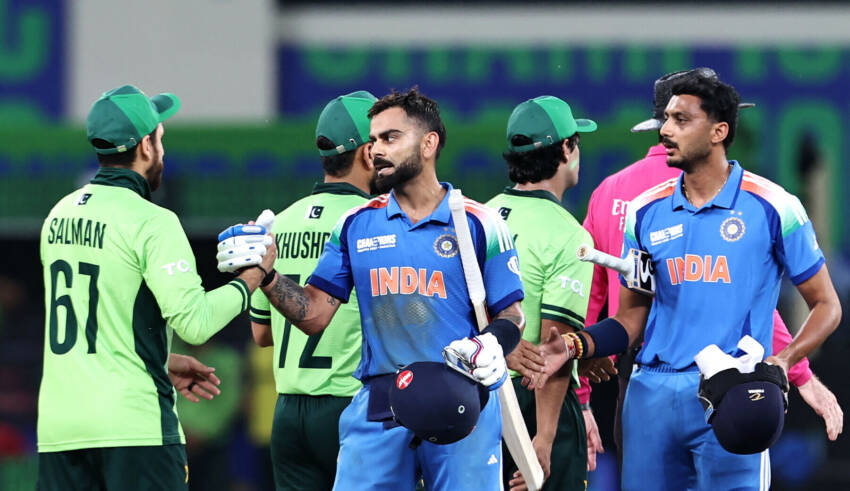
PAKISTAN’S winless return after two matches in their own tournament is an absolute humiliation for the Pakistan Cricket Board (PCB).
I say the PCB because it is they who have overseen the humbling decline of Pakistan’s white-ball cricket.
The players don’t pick themselves or decide strategy alone; it is the PCB that selects the coaching staff and the players, and therefore, controls how the team will represent the country. What we see on the pitch is a team that is substandard, a methodology that is out of date. What we see now is no different from what we have been seeing for several years.
The contest itself was a strange one. Pakistan played most of it like a warm-up game, barely rousing themselves to the level required for such a decisive and highly visible contest. Mohammad Rizwan’s team batted without urgency, bowled without penetration, and fielded below current international standards.
Rizwan’s men batted without urgency, bowled without penetration and fielded below international standards against their arch-rivals
The pitch and the conditions played little part in deciding the contest as both teams struggled to find movement from swing, seam, or spin.
India, however, bowled with greater discipline and batted with superior expertise. They looked up for the big day; Pakistan let the occasion pass them by. That was that.
Pakistan needs a thorough rethink of its whole approach to white-ball cricket. It needs selectors and a coach capable of engineering a revolution of mindset, and a significant upgrade in capabilities. It needs a deep pool of power-hitting batsmen, high-quality specialist spinners, a rewiring of the bowling disciplines of its pace attack, and a fielding side that meets expecte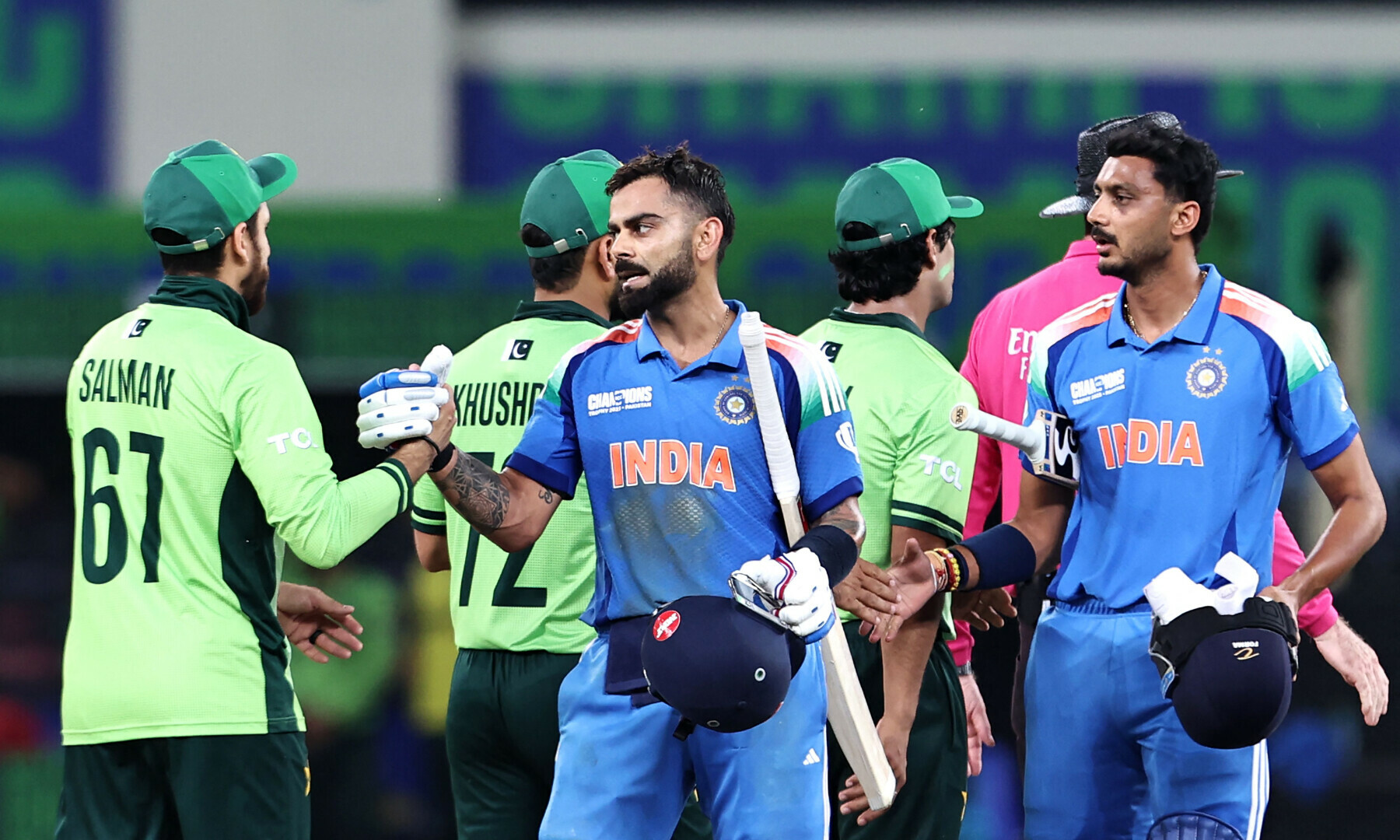 d standards.
This is all obvious, but unfortunately nothing seems obvious to a PCB befuddled by politics, money and the limelight.
Rizwan won the toss, made a reasonable decision to bat first, and gave Pakistan a chance to dictate the game. India’s bowlers neither swung the ball much nor turned it worryingly, but what they did well — after a wild first over from Mohammad Shami — was to stick to ancient principles of line and length bowling. They read the pitch and bowled accordingly.