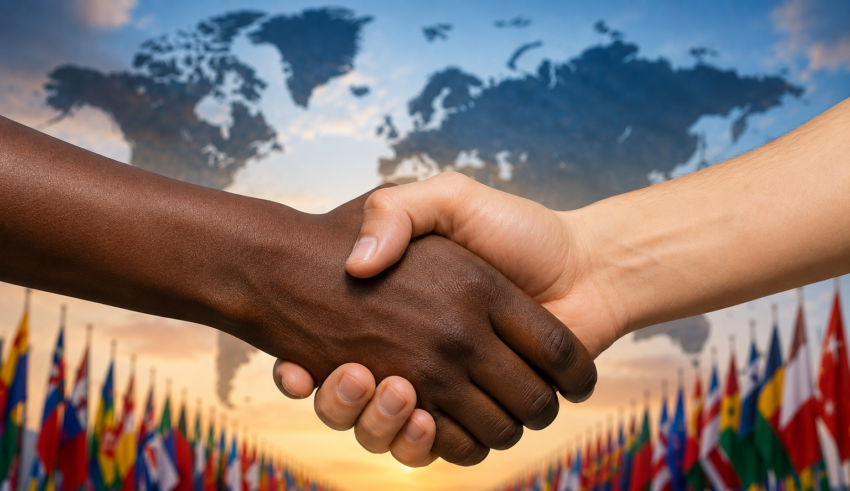
ISLAMABAD: In an increasingly interconnected world, skin colour continues to influence global politics, affecting diplomacy, migration, international relations, and access to economic opportunities despite decades of progress toward equality.
Experts argue that race and ethnicity still shape political discourse in many countries, influencing debates on immigration, border policies, law enforcement, and representation in government. Discrimination based on skin colour remains a challenge in various parts of the world, often fueling social unrest and political polarization.
International organizations have repeatedly called for stronger efforts to combat racism and promote equal treatment, emphasizing that diversity and inclusion are essential for sustainable development and global cooperation. Human rights advocates say addressing racial inequalities requires not only legal reforms but also broader societal change.
Analysts note that while globalization has created greater cultural exchange and cooperation, it has also exposed longstanding inequalities that continue to affect millions of people. They argue that tackling prejudice and ensuring equal opportunities remain key priorities for governments worldwide.
As nations navigate complex geopolitical challenges, experts believe that promoting equality regardless of race or skin colour is vital to building stronger institutions, fostering international trust, and creating a more inclusive global order where individuals are judged by their abilities rather than their appearance.