
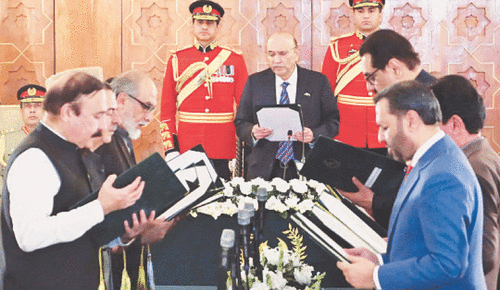
The expansion of government cabinets, particularly in times of economic challenges, often sparks debate about fiscal responsibility and the prioritization of public resources. If recent reports indicate that austerity measures are taking a “back seat” as the cabinet swells, it suggests that the government is increasing its size, potentially adding more ministers or advisors, despite economic constraints or calls for reduced public spending.
Key Points to Consider:
Cabinet Expansion: A larger cabinet may imply more administrative roles, which can lead to increased government expenditure on salaries, benefits, and operational costs.
Austerity Measures: Austerity typically involves cutting public spending to reduce budget deficits. If austerity is being deprioritized, it could indicate a shift in policy focus toward addressing immediate political or social needs rather than fiscal consolidation.
Public Reaction: Such decisions often draw mixed reactions. Supporters may argue that a larger cabinet is necessary to address complex governance challenges, while critics may view it as unnecessary spending during tough economic times.
Economic Context: The decision to expand the cabinet should be analyzed in the context of the country’s current economic situation, including debt levels, growth rates, and public welfare needs.