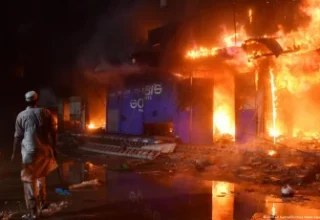

Dhaka: Bangladesh’s recent election has sparked widespread discussion, drawing attention to themes of erasure, empathy, and victory in the nation’s political landscape. As the country prepares for a new chapter, the election has highlighted key issues related to voter rights, political power, and the future of democracy in Bangladesh.
In the lead-up to the election, many critics voiced concerns about the transparency of the electoral process, with accusations of voter suppression and manipulation of results. Despite these claims, the government maintained that the election was free and fair. However, observers noted a concerning trend of political erasure, with certain opposition parties and their supporters alleging that their voices were deliberately sidelined.
In the midst of these tensions, calls for empathy from various political and social groups have surfaced. These voices urge for understanding and reconciliation, stressing the importance of unity in a nation that has seen decades of political upheaval. Leaders from both sides of the aisle have expressed the need to focus on the welfare of the people, putting aside partisan differences for the greater good of the country.
The outcome of the election has been met with mixed reactions. While the ruling party has claimed victory, many questions remain about the long-term impact of these elections on Bangladesh’s democratic future. As the nation moves forward, it faces the challenge of healing divisions and ensuring that every citizen’s voice is heard in the halls of power.