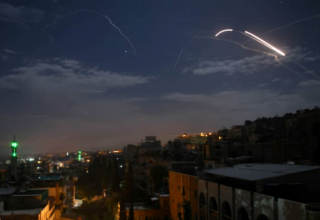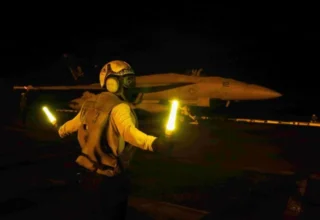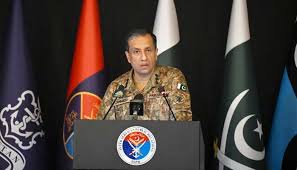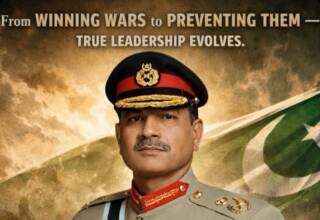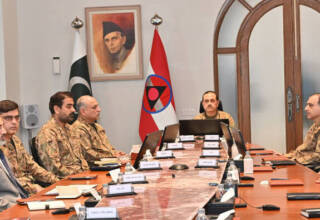
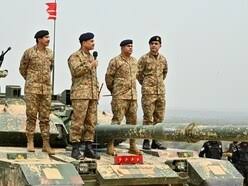
Rawalpindi / Islamabad — As the United States enforces a naval blockade on Iran’s maritime trade and both sides signal willingness for renewed peace talks, the Pakistan Army remains on high operational alert while continuing its dual role in national defense and regional stability. Field Marshal Asim Munir, Chief of Army Staff, has received notable international praise from U.S. President Donald Trump, who described him as “fantastic” and credited Pakistan’s military leadership for facilitating diplomatic efforts between Washington and Tehran.
In recent statements, President Trump indicated that the next round of U.S.-Iran negotiations could take place in Islamabad within the coming days, explicitly linking the positive momentum to the effective role played by Pakistan’s Army Chief. This comes shortly after the first round of talks hosted in Pakistan over the weekend failed to yield a breakthrough but kept diplomatic channels open.
Inter-Services Public Relations (ISPR) has confirmed that the Pakistan Armed Forces maintain a robust posture along all frontiers, including the western border with Iran and the volatile Line of Control. Sources within the military say the Army is closely monitoring developments in the Persian Gulf and Strait of Hormuz, where any escalation could directly impact Pakistan’s energy security and regional interests.
Key Developments Involving Pakistan Army:
Diplomatic Facilitation: Pakistan has proposed and is actively preparing to host a second round of U.S.-Iran talks. The Army’s leadership has played a behind-the-scenes role in shuttle diplomacy, building on Pakistan’s unique position as a trusted interlocutor with ties to both Washington and Tehran, as well as close strategic partnership with Saudi Arabia under the 2025 Strategic Mutual Defence Agreement.
Operational Readiness: Troops remain deployed for internal security operations against terrorism, particularly in Khyber Pakhtunkhwa and Balochistan, while border forces stay vigilant against any spillover from the Afghanistan-Pakistan border tensions or Gulf conflict. Recent intelligence-based operations (IBOs) continue to target militant networks.
International Engagements: The Army has recently concluded or is participating in joint exercises that enhance interoperability, including counter-terrorism drills with friendly nations. These efforts strengthen Pakistan’s capacity to contribute to regional peace while safeguarding its own sovereignty.
Field Marshal Asim Munir has repeatedly emphasized the Pakistan Army’s commitment to “peace through strength.” In internal addresses, he has stressed the need for multi-domain readiness — covering conventional, unconventional, cyber, and information warfare — to deal with emerging threats in a complex geopolitical environment.
Background and Strategic Context
Pakistan finds itself at the crossroads of major regional shifts:
The ongoing U.S.-Iran standoff, triggered by earlier military actions and now intensified by the maritime blockade, threatens global energy flows through the Strait of Hormuz (which supplies a significant portion of Pakistan’s oil imports).
Pakistan’s mediation efforts align with its broader foreign policy of promoting de-escalation while protecting national interests, including the safety of Pakistani nationals and trade routes.
Under the Strategic Mutual Defence Agreement with Saudi Arabia, Pakistan has deployed assets to support Gulf security, demonstrating its reliability as an ally without being drawn into direct conflict.
This balanced approach reflects the Army’s long-standing doctrine of strategic deterrence combined with proactive diplomacy.
Nuances, Challenges, and Edge Cases
Balancing Act: Pakistan must carefully manage its mediation role between the U.S. and Iran while honoring defence commitments to Saudi Arabia. Any resumption of Iranian attacks on Gulf targets could test this delicate equilibrium.
Internal Security Linkages: Heightened regional tensions can embolden domestic militant groups or lead to sectarian unrest. The Army continues intelligence-led operations to prevent such exploitation.
Humanitarian and Economic Dimensions: Prolonged blockade or escalation could trigger refugee movements or energy shortages in Pakistan. The military’s disaster response and logistic wings remain prepared for contingency support to civil authorities.
Technological Transformation: The Pakistan Army is simultaneously advancing modernization — including indigenous missile systems, drones, and multi-domain capabilities — to maintain qualitative edge in an era of rapid military evolution.
Public Perception: While the Army enjoys strong domestic support for its role in counter-terrorism and disaster relief, increased international visibility (such as Trump’s remarks) also invites scrutiny regarding transparency and civilian-military balance.
Implications and Potential Scenarios
Optimistic Outlook: Successful second-round talks in Islamabad, facilitated with Army-backed security and logistical arrangements, could lead to de-escalation in the Gulf, reduced oil price volatility, and enhanced Pakistan’s global diplomatic stature.
Challenging Scenarios: If talks stall and the blockade persists, Pakistan may need to activate naval operations (similar to past efforts for merchant ship protection) while intensifying border vigilance. Escalation could also strain resources allocated for internal stability.
Longer-Term Considerations: This episode underscores the Pakistan Army’s evolution into a force capable of operating across diplomatic, defensive, and developmental domains. Sustained investment in training, technology, and personnel welfare will be crucial for future readiness.
Broader Regional Ripple: Strengthened ties with middle powers (as seen in the emerging Pakistan-Türkiye-Egypt-Saudi quad framework) could open new avenues for collective security cooperation.
The Pakistan Army’s professional conduct amid these multifaceted challenges continues to earn recognition both at home and abroad. As the situation in the Middle East remains fluid, the institution stands as a pillar of stability for the nation while contributing responsibly to efforts aimed at preventing wider conflict.