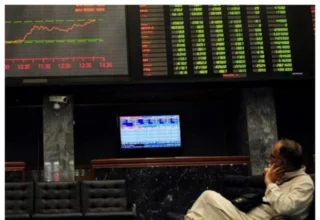
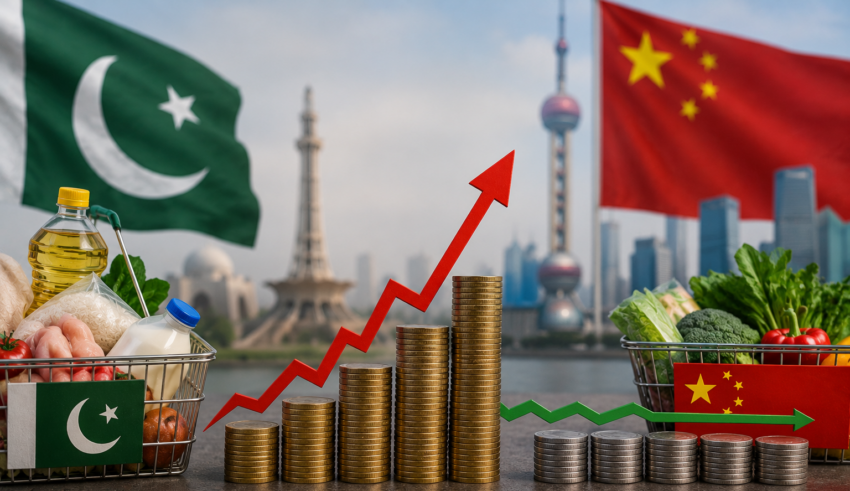
ISLAMABAD: While inflation has eased in many parts of the world, Pakistan continues to face far greater price pressures than China, highlighting the stark contrast between the economic conditions of the two Asian nations.
Economists say the difference stems from a combination of structural and policy factors. Pakistan has struggled with a weakening currency, high import dependence, rising energy costs, fiscal deficits, and recurring balance-of-payments crises—all of which have pushed up the prices of food, fuel, and essential goods.
In contrast, China has maintained relatively low inflation through strong industrial production, stable supply chains, greater self-sufficiency in manufacturing, and tighter control over domestic prices. Its large export-oriented economy and stronger currency have also helped shield consumers from sharp price increases.
Experts note that Pakistan’s reliance on imported fuel and raw materials makes it particularly vulnerable to global commodity price fluctuations and exchange-rate volatility. Additionally, supply chain disruptions, climate-related impacts on agriculture, and higher transportation costs have further fueled inflationary pressures.
Analysts argue that reducing inflation in Pakistan will require long-term structural reforms, including boosting exports, strengthening domestic production, improving tax collection, stabilizing the currency, and reducing dependence on imports.
As the economic gap between the two countries becomes more evident, experts believe Pakistan’s challenge is not only to control inflation but also to build a more resilient economy capable of withstanding global financial shocks while protecting household purchasing power.