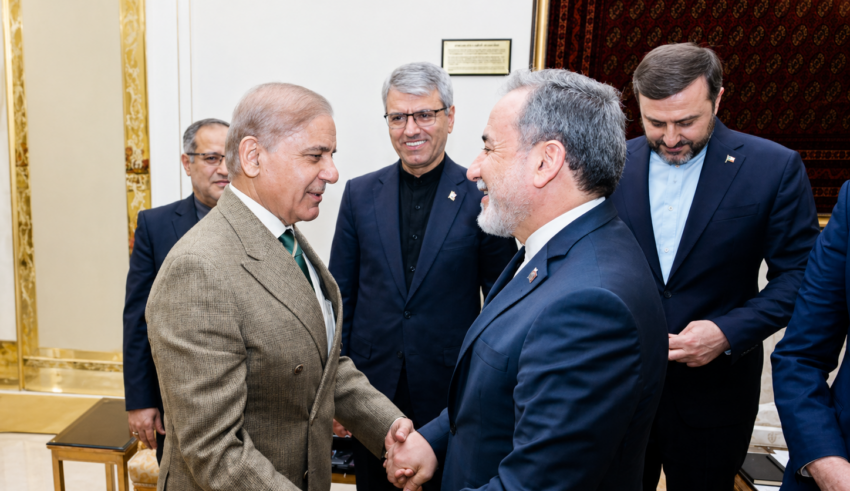
Quiet diplomatic efforts are gaining momentum across the region as countries increasingly turn to backchannel communications to manage tensions and explore potential agreements. Officials and analysts say these informal channels are helping bridge gaps where formal negotiations have stalled.
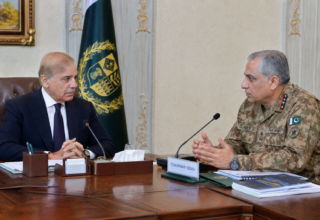
In recent weeks, multiple reports have indicated that regional powers are engaging in discreet talks through intermediaries, aiming to de-escalate conflicts and build trust. These discussions often involve intelligence officials, retired diplomats, and third-party states acting as facilitators.
Experts believe backchannel diplomacy allows leaders to test proposals without public pressure, reducing political risks while keeping dialogue alive. It has proven particularly useful in sensitive matters, including security cooperation, ceasefire arrangements, and economic coordination.
While progress remains uncertain, the expansion of such covert engagement signals a shared interest in avoiding further instability. Observers note that if these efforts succeed, they could pave the way for formal negotiations and long-term agreements in the region.