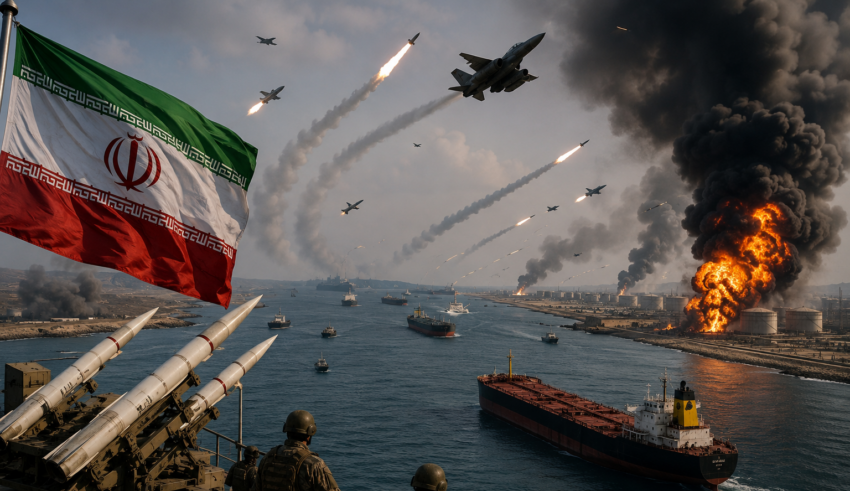
Tehran, July 13: Regional tensions have escalated sharply after Iran reportedly expanded military attacks targeting several Gulf states following recent U.S. strikes, while Iranian authorities announced the closure of the strategically vital Strait of Hormuz, a move that has raised concerns over global energy supplies and regional security.
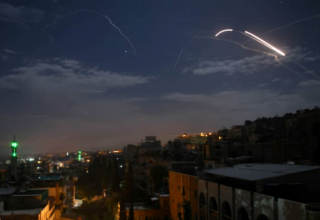
According to regional officials, missile and drone attacks were reported against multiple locations across the Gulf, prompting neighboring countries to activate air defense systems and heighten security measures. Authorities are continuing to assess the extent of the damage, while emergency services remain on high alert.
Iranian officials stated that the decision to close the Strait of Hormuz was taken in response to what they described as U.S. aggression. The narrow waterway, through which a significant share of the world’s oil and liquefied natural gas exports passes, is considered one of the most critical maritime trade routes. Any disruption to shipping through the strait could have far-reaching consequences for global energy markets and international commerce.
The United States has condemned the reported attacks and reaffirmed its commitment to protecting regional allies and ensuring freedom of navigation in international waters. U.S. officials indicated that military assets remain deployed across the region to monitor developments and safeguard commercial shipping.
Governments across the Middle East and beyond have called for restraint, warning that further escalation could destabilize the region and disrupt global economic activity. International organizations have urged all parties to pursue diplomatic channels to prevent the conflict from widening.
Energy analysts say prolonged instability around the Strait of Hormuz could lead to increased oil prices and renewed uncertainty in global financial markets. As the situation continues to evolve, world leaders are closely monitoring developments amid growing fears of a broader regional confrontation.