By TV84.pk News Desk | September 23, 2025
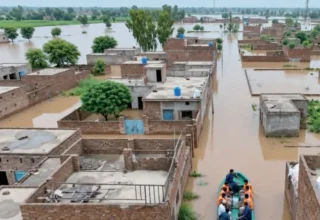
ISLAMABAD – Unprecedented monsoon floods, worsened by dam releases from India, have submerged vast swathes of Pakistan’s rural heartlands and industrial hubs, causing billions in damages and jeopardling fears of food insecurity and economic collapse. The deluge, hitting Punjab and Sindh—the country’s most populous and economically critical provinces—marks the worst flooding in decades, surpassing the 2022 disaster that inundated a third of the nation.
Agriculture and Industry Reeling
The floods, ongoing since late June, have obliterated crops and disrupted industrial output. According to GEOGLAM, over 220,000 hectares of rice fields were flooded between August 1 and September 16. In Punjab, Pakistan’s agricultural powerhouse for rice, cotton, and maize, 1.8 million acres of farmland lie underwater, per the Provincial Disaster Management Authority. Khalid Bath, chairman of the Pakistan Farmers Association, estimates losses could reach 2.5 million acres, valued at PKR 1 trillion ($3.53 billion).
“About 50% of rice, 60% of cotton, and maize crops are gone,” Bath told TV84.pk. Vegetable losses in some districts exceed 90%, threatening food supplies as Pakistan approaches its critical wheat-sowing season, which accounts for nearly half the nation’s caloric intake. “Food insecurity is looming, not just higher prices,” warned Iqrar Ahmad Khan, former vice chancellor of the University of Agriculture Faisalabad.
Industrial centers like Sialkot, a key exporter of textiles and sporting goods, have seen workshops marooned, while cotton shortages are set to cripple the textile sector, Pakistan’s top foreign exchange earner. Rice exporters fear losing ground to India as prices soar. “We had 400 acres of cotton; only 90 remain,” said farmer Rab Nawaz near Multan.
Economic Fallout and Policy Response
The government, initially hopeful for 4.2% GDP growth in 2026 following a $7 billion IMF bailout, now faces a grim reality. Planning Minister Ahsan Iqbal admitted the floods would “set back” growth, with a full damage assessment due in two weeks. The central bank projects a “temporary yet significant supply shock,” revising growth to the lower end of its 3.25–4.25% range but claims stronger forex reserves offer resilience compared to the $30 billion 2022 floods.
However, economists like former finance minister Hafeez Pasha warn of a $7 billion surge in the current account deficit, calling the crisis worse than 2022. Prices for wheat, sugar, onions, and tomatoes have spiked, pushing inflation to a 26-month high. The IMF’s upcoming review of the Extended Fund Facility will evaluate whether Pakistan’s 2026 budget can address the emergency, with Iqbal urging the fund to “mitigate the damages.”
Humanitarian Toll
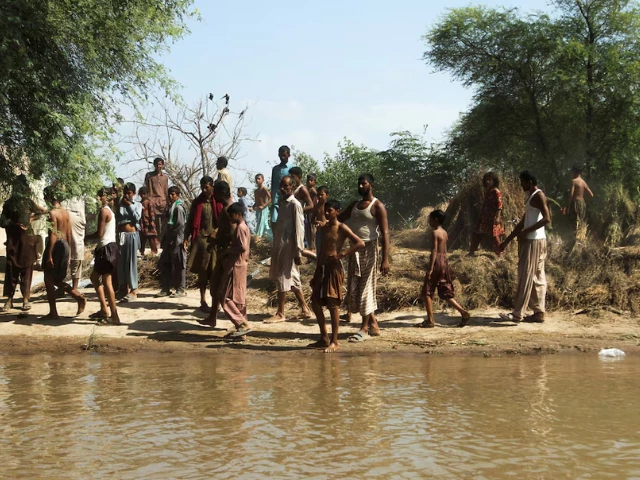
The National Disaster Management Authority reports 1,006 deaths since June 26, with over 2.5 million people evacuated in Punjab and Sindh. In Lahore, homes and small businesses are gutted. Mohammad Arif, a 50-year-old rickshaw driver, shared his plight: “We’ve been on the roads for three days after our home was flooded.”
A Call for Action
As floodwaters linger, Pakistan faces a dual crisis of food security and economic strain. With wheat sowing at risk and export industries faltering, urgent measures are needed to avert a deeper catastrophe. Stay tuned to TV84.pk for real-time updates on this unfolding disaster.