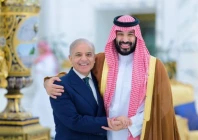
PM Shehbaz Sharif Lauds Saudi Economic Backing, Highlights Strong Defence Partnership During Jeddah Meeting
Jeddah, April 16, 2026 — Prime Minister Muhammad Shehbaz Sharif has expressed deep appreciation for Saudi Arabia’s consistent economic and financial support to Pakistan, while reaffirming the robust defence and security partnership between the two brotherly nations.
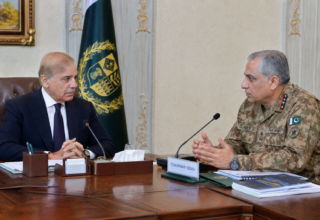
The remarks came during a high-level meeting with Saudi Crown Prince Mohammed bin Salman in Jeddah on Wednesday (April 15, 2026). This meeting was the highlight of PM Shehbaz Sharif’s official visit to the Kingdom as the first leg of his four-day tour to Saudi Arabia, Qatar, and Türkiye (April 15–18, 2026). The Prime Minister was accompanied by a high-powered delegation, including Chief of Defence Forces Field Marshal Syed Asim Munir and Deputy Prime Minister & Foreign Minister Ishaq Dar.
According to an official statement issued by the Prime Minister’s Office (PMO), Shehbaz Sharif thanked the Kingdom for its longstanding economic backing, which has played a vital role in strengthening Pakistan’s economic stability and foreign exchange reserves. He particularly appreciated Saudi Arabia’s recent commitment of an additional $3 billion in financial support and the extension of an existing $5 billion deposit.
“I also expressed sincere appreciation for the Kingdom’s consistent support for Pakistan’s economic stability, while highlighting the unique defence and security relationship between our two countries,” the statement quoted the Prime Minister.
Key Outcomes of the Meeting
Economic Cooperation: Both sides discussed ways to further expand collaboration in trade, investment, energy, and infrastructure. PM Shehbaz reiterated Pakistan’s strong commitment to fast-tracking Saudi investment projects and personally overseeing their implementation.
Defence Partnership: The leaders reaffirmed their commitment to the Strategic Mutual Defence Agreement signed last year, describing the defence ties as “enduring” and “unique.” Any aggression against one country is considered aggression against both.
Regional Peace Efforts: The two leaders exchanged views on the current regional situation, including ongoing diplomatic efforts to advance US-Iran peace negotiations. Pakistan is actively mediating, with recent high-level visits (including CDF Asim Munir to Tehran). Saudi Arabia appreciated Pakistan’s role in promoting de-escalation and stability in West Asia.
Fraternal Bonds: PM Shehbaz emphasized that the people and Government of Pakistan have always stood “shoulder to shoulder” with Saudi brothers and sisters, calling it an abiding bond strengthened under the patronage of Crown Prince Mohammed bin Salman.
Broader Context and Multiple Angles
This visit occurs at a critical juncture when Pakistan is managing economic pressures, including the repayment of loans to the UAE. The fresh Saudi financial package provides timely relief to Pakistan’s balance of payments and reserves.
Economic Angle: Saudi support (deposits, investments, and aid) has been instrumental in helping Pakistan navigate IMF programs and external debt challenges. Discussions also touched on mega projects, including the long-awaited Saudi refinery in Gwadar, which promises significant job creation, reduced oil import bills, and energy security.
Defence & Security Angle: The mutual defence pact elevates the relationship beyond traditional cooperation. It reflects shared strategic interests in countering regional threats and ensuring stability in the Gulf and broader Islamic world.
Diplomatic Angle: Pakistan is leveraging its close ties with both Saudi Arabia and Iran to facilitate peace talks amid the fragile US-Iran ceasefire. This positions Islamabad as an important bridge in one of the most volatile geopolitical flashpoints of 2026.
Nuances and Implications:
The meeting reinforces the “all-weather” nature of Pakistan-Saudi relations, built on Islamic solidarity, decades of cooperation, and mutual trust.
While economic support is warmly welcomed, long-term sustainability for Pakistan depends on attracting more foreign direct investment (FDI), boosting exports, and implementing structural reforms rather than relying solely on friendly