‘Exceptional Hosts, Real Statesmanship’: JD Vance Lauds PM Shehbaz Sharif and Field Marshal Asim Munir for US–Iran Talks
Islamabad/Washington (News Desk) – April 14, 2026
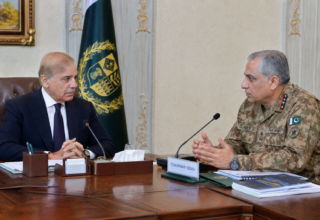
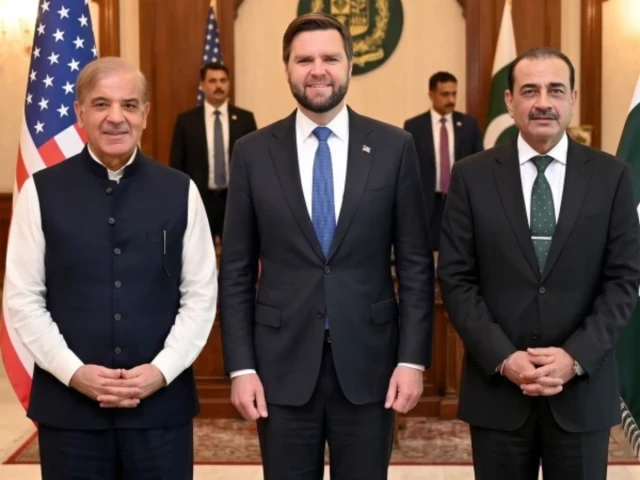
US Vice President JD Vance has publicly praised Pakistan’s leadership for its crucial role in hosting and facilitating high-stakes talks between the United States and Iran, describing Prime Minister Shehbaz Sharif and Chief of Defence Forces (CDF) and Chief of Army Staff Field Marshal Asim Munir as “exceptional hosts” who demonstrated “real statesmanship.”
In a recent interview with Fox News and earlier remarks made in Islamabad, Vance highlighted Pakistan’s constructive contribution in bringing the two sides together for direct negotiations — the most significant face-to-face engagement between Washington and Tehran in decades.
Vance’s Praise in Detail
Vance stated: “Both were exceptional hosts and showed real statesmanship in helping mediate the conversation between us and the Iranians — two countries that have not had serious talks in a very long time.”
He credited the Pakistani leadership for going above and beyond to bridge gaps during the marathon sessions, noting that any shortcomings in reaching a final agreement were not due to Pakistan’s efforts. “They did an amazing job and really tried to help us and the Iranians bridge the gap and get to a deal,” Vance added.
The US Vice President specifically thanked Prime Minister Shehbaz Sharif and Field Marshal Asim Munir for their hospitality, logistical support, and diplomatic engagement throughout the process.
Context of the Islamabad Talks
The direct US–Iran negotiations took place in Islamabad over the weekend of April 11–12, 2026. The US delegation was led by Vice President JD Vance, accompanied by special envoy Steve Witkoff and other senior officials. The Iranian side was headed by Parliament Speaker Mohammad Bagher Ghalibaf and Foreign Minister Abbas Araghchi.
The talks lasted over 21 hours in marathon sessions.
Key issues discussed included Iran’s nuclear program, the reopening of the Strait of Hormuz, sanctions relief, regional security concerns, and steps toward a more permanent ceasefire.
Despite intensive efforts and Pakistan’s active mediation — with Pakistani officials shuttling between the two delegations — no final agreement was reached.
A fragile two-week ceasefire, brokered earlier with Pakistan’s involvement, remains in place but faces challenges.
Pakistan played a neutral and facilitative role, providing the venue and diplomatic backing at a time when direct communication between the US and Iran had been extremely limited.
Broader Implications and Regional Significance
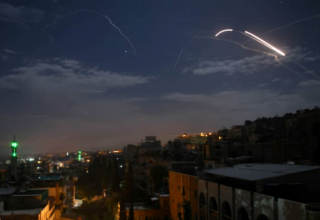
Vance’s remarks come amid ongoing tensions following the escalation of conflict in late February 2026. Pakistan’s successful hosting of the talks has drawn international attention and praise from multiple quarters, positioning the country as a key diplomatic player in the Middle East crisis.
Positive Angles:
Recognition of Pakistan’s diplomatic maturity and ability to host sensitive high-level talks.
Strengthening of bilateral ties with the United States, as evidenced by Vance’s warm words.
Potential boost to Pakistan’s image as a responsible regional actor committed to peace and dialogue.
Nuances and Challenges:
While the talks did not yield a breakthrough, the process kept diplomatic channels open and prevented immediate further escalation.
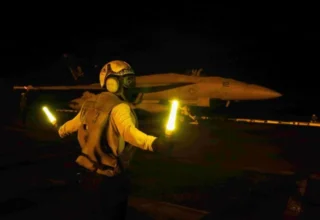
The US has since imposed a naval blockade on Iranian ports in response to the lack of agreement, raising concerns about rising oil prices and regional stability.
Iran has continued indirect communications, leaving room for possible future rounds of talks, potentially again involving Pakistani facilitation.
Domestic and international observers note that Pakistan’s military and civilian leadership worked in close coordination, reflecting a unified approach to foreign policy on this issue.
Edge Cases and Related Considerations:
If future talks resume (as some reports suggest may happen this week), Pakistan could once again be called upon as a trusted mediator.
Success in de-escalation would bring economic relief to Pakistan through stabilized energy markets, while failure could lead to spillover effects such as refugee movements, security threats, or disruptions in trade routes.
The praise also highlights the growing influence of Field Marshal Asim Munir on the international stage, alongside the civilian government’s diplomatic outreach.
Other international voices, including from the EU and Canada, have also acknowledged Pakistan’s positive role in the peace efforts.
Government and Public Reaction in Pakistan
Pakistani officials have welcomed Vance’s comments as a testament to the country’s commitment to regional peace. The development is seen as a diplomatic victory at a time when Pakistan faces multiple internal and external challenges.
For Readers:
JD Vance’s appreciation underscores how Pakistan’s mediation efforts created a rare platform for dialogue between two adversaries. While the immediate outcome fell short of a comprehensive deal, the process has kept the door open for continued negotiations amid a volatile global situation.
What do you think about Pakistan’s role in the US–Iran talks? Should Islamabad continue to offer mediation, or focus more on its own economic and security priorities? Share your views in the comments section below.
Sources: The Express Tribune, Dunya News, Al Jazeera, Reuters, AP News, and official statements (as of April 14, 2026).