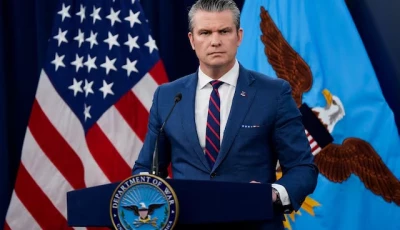
Pete Hegseth Warns: US Forces Ready to Restart Combat Operations if Iran Fails to Agree to a Peace Deal
Washington, April 16, 2026 — U.S. Defense Secretary Pete Hegseth issued a strong warning to Iran on Thursday, stating that American military forces in the Middle East are fully postured and ready to immediately resume combat operations if Tehran does not agree to a negotiated peace deal.
Speaking at a Pentagon briefing, Hegseth emphasized that while the United States prefers a diplomatic resolution, it will not hesitate to use military force again if necessary. “U.S. forces are postured to restart combat operations if Iran doesn’t agree to a peace deal,” he said, adding that Washington is offering Iran a “golden bridge” toward a prosperous future but expects wise choices from its leadership.
Background and Context
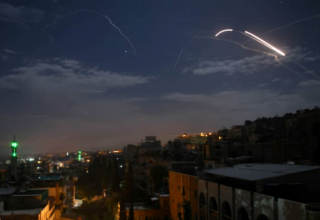
This statement comes amid ongoing efforts to extend or solidify a fragile two-week ceasefire between the U.S., Israel, and Iran, which was announced earlier in April 2026 following intense military operations (referred to as “Operation Epic Fury”). The ceasefire followed U.S. and Israeli strikes that significantly degraded Iran’s missile capabilities, navy, air defenses, and defense industry.
Hegseth and Joint Chiefs of Staff Chairman Gen. Dan Caine have repeatedly described the recent campaign as a “decisive” and “overwhelming victory,” claiming that Iran’s military has been rendered combat-ineffective for years. However, they stressed that the ceasefire is merely a “pause,” not an end to hostilities.
Key elements of Hegseth’s message included:
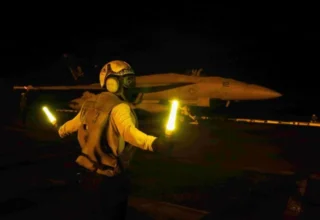
Military readiness: U.S. troops remain “hanging around” in the region, prepared to “defend, go on offense, and restart at a moment’s notice.”
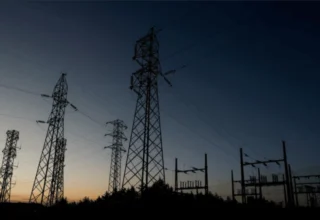
Diplomatic pressure: Iran should “choose wisely” and accept a deal that prevents it from ever acquiring nuclear weapons. Hegseth warned that the U.S. could target energy infrastructure, power plants, bridges, or other critical sites if talks fail.
Blockade and monitoring: The U.S. maintains a naval presence and is closely watching Iranian troop movements and enriched uranium stockpiles.
Hegseth addressed Iran’s leadership directly: “This is not a fair fight, and we know what military assets you are moving and where you are moving them to.” He urged the “new Iranian regime” to opt for peace rather than risk further devastation.
Multiple Angles and Nuances
U.S. Perspective (Trump Administration):
The administration portrays recent actions as a successful use of military power to bring Iran to the negotiating table. Hegseth has claimed Iran “begged” for the ceasefire and that the U.S. showed “mercy” by not escalating further (e.g., striking power grids or oil facilities). The goal is a comprehensive deal that eliminates Iran’s nuclear ambitions and ensures compliance.
Iranian Perspective:
Iranian officials have described the ceasefire differently, often hailing their own “historic resistance” while downplaying losses. Tehran has accused the U.S. and Israel of aggression and may view Hegseth’s comments as continued threats that undermine genuine diplomacy.
Regional and Global Implications:
Strait of Hormuz: The ceasefire helped reopen this critical oil route, but any resumption of combat could spike global oil prices and disrupt energy supplies.
Pakistan’s Role: Pakistan has been actively mediating between Iran and the U.S., with recent high-level visits (including CDF Asim Munir to Tehran). Hegseth’s hardline stance adds pressure on diplomatic efforts involving Islamabad.
Broader Middle East: The situation risks spillover into Lebanon, the Gulf, or involving proxies. Allies like Israel strongly support maximum pressure, while others (including some European nations and China/Russia) call for de-escalation.
Nuclear Issue: Preventing Iran from obtaining a nuclear weapon remains a red line for the U.S. Discussions reportedly include handing over enriched uranium stockpiles.
Edge Cases and Risks
Ceasefire Fragility: Even minor violations could lead to rapid escalation, as both sides claim readiness.
Timing: The current two-week ceasefire window is limited. If no broader deal is reached soon, Hegseth’s warning suggests intensified operations could follow.
Domestic U.S. Angle: The Trump administration uses strong rhetoric to project strength, but prolonged conflict could face domestic criticism over costs, troop deployments, and humanitarian impact.
International Law Concerns: Potential strikes on civilian infrastructure (power plants, energy sites) raise questions about proportionality and legality under international humanitarian law.
Economic Fallout: Renewed fighting could cause oil price surges, inflation, and supply chain disruptions worldwide.