
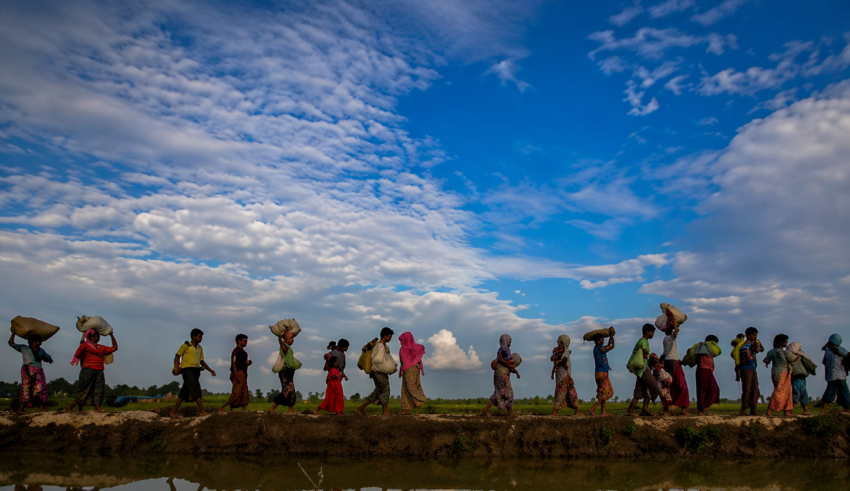
Desperation is mounting among Rohingya refugees as worsening food shortages and limited opportunities in overcrowded camps push many to risk dangerous journeys across the sea in search of a better future.
Thousands of Rohingya—most of whom fled violence in Myanmar—are currently living in refugee camps in Bangladesh, where humanitarian conditions have deteriorated in recent months. Aid agencies warn that funding cuts and rising global food prices have led to reduced rations, leaving families struggling to survive.
With little access to education, employment, or long-term settlement prospects, many refugees—especially young people—feel they have no viable future in the camps. As a result, an increasing number are turning to human smugglers who promise passage to countries like Malaysia or Indonesia, often through perilous sea routes.
These journeys are fraught with danger. Overloaded and poorly equipped boats frequently face storms, engine failures, and a lack of food and water. Survivors have reported harrowing experiences, including days or even weeks stranded at sea without assistance.
Human rights organizations say the growing number of departures reflects deepening despair within the refugee community. They are urging the international community to increase humanitarian aid, improve living conditions, and create legal pathways for resettlement to prevent further loss of life.
Officials in the region have also raised concerns about human trafficking networks exploiting vulnerable refugees. Authorities have called for stronger regional cooperation to combat smuggling operations and ensure the safety of those at risk.
As conditions in the camps continue to worsen, many Rohingya refugees face an agonizing choice: remain in hardship with little hope for the future, or risk everything on a journey that could cost them their lives.