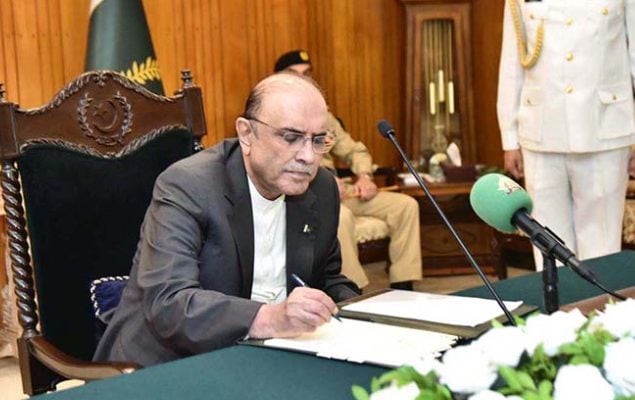
Islamabad — President Asif Ali Zardari has directed Prime Minister Shehbaz Sharif and Deputy Prime Minister and Foreign Minister Ishaq Dar to maintain proactive and sustained engagement with the United States and Iran. The goal is to ensure the continuity and success of the fragile peace process amid the ongoing U.S. naval blockade of Iranian maritime trade and signals of renewed diplomatic talks.
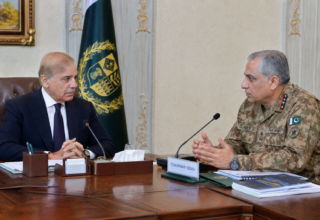
During a briefing by Prime Minister Shehbaz Sharif on the outcomes of the recent U.S.-Iran negotiations held in Islamabad, President Zardari emphasized Pakistan’s responsibility as a responsible regional actor. He instructed the government to remain actively involved not only with Washington and Tehran but also with other major regional and global powers to foster regional harmony and prevent any escalation that could undermine the current two-week ceasefire.
A statement from the Presidency noted: “President Zardari said that the prime minister and the deputy prime minister should remain proactively engaged with the United States and Iran, as well as major regional and global powers, to ensure the sustainability of the peace process and regional harmony.”
This directive comes at a critical juncture. The first round of direct U.S.-Iran talks in Islamabad over the weekend (April 11-12) ended without a breakthrough after more than 21 hours of discussions. Key sticking points included Iran’s nuclear program, uranium enrichment limits, sanctions relief, and control over the Strait of Hormuz. Despite the impasse, both sides have left the door open for a second round, with President Donald Trump signaling that fresh negotiations could resume in Pakistan “within days” or even as soon as this week.
Current Geopolitical Context
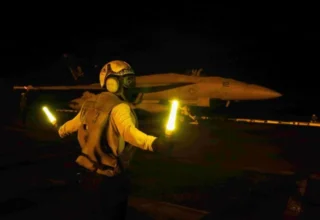
The U.S. implemented a targeted naval blockade on April 13, effectively halting all maritime traffic entering or exiting Iranian ports in the Persian Gulf and Gulf of Oman. U.S. Central Command (CENTCOM) reports that the measure has already disrupted Iran’s seaborne economic activities — which constitute roughly 90% of its trade — while insisting that neutral international shipping through the Strait of Hormuz remains unaffected.
President Trump has framed the blockade as a tool of “maximum pressure” to compel concessions, yet he has simultaneously expressed optimism about diplomacy. He has publicly praised Pakistan’s leadership, including Prime Minister Shehbaz Sharif and Field Marshal Asim Munir, Chief of Army Staff, for their role in brokering the initial ceasefire and hosting the talks. Trump described them as “extraordinary men” and credited Pakistan’s facilitation efforts.
Pakistan continues to position itself as a neutral and trusted mediator, leveraging its relationships with both the U.S. and Iran, as well as close ties with Gulf states through the emerging quadrilateral framework involving Türkiye, Egypt, and Saudi Arabia.
Key Elements of the Peace Process
Ceasefire Status: A fragile two-week ceasefire, secured with Pakistani mediation, remains in effect but faces expiration risks around April 21 if no progress is made.
Sticking Points: Nuclear safeguards, verification mechanisms for enrichment, reopening of the Strait of Hormuz without Iranian “tolls” or disruptions, and phased sanctions relief.
Pakistan’s Role: Islamabad has proposed practical de-escalation steps and is preparing logistical and security arrangements for potential follow-up talks. Analysts, including Vali Nasr, have described Pakistan as “key” to any viable US-Iran dialogue due to its unique access and credibility.
Nuances, Challenges, and Edge Cases
Balancing Pressure and Dialogue: The U.S. blockade increases economic pain on Iran (potentially slashing oil export revenues), which may push Tehran toward concessions but also risks hardening its position or prompting asymmetric retaliation, such as threats to regional shipping or proxy actions.
Humanitarian and Economic Spillover: Prolonged disruption could affect essential imports into Iran and raise global oil prices (already hovering above $100 per barrel). Pakistan, as a major energy importer, faces indirect risks to its economy, inflation, and trade routes.
Internal Pakistani Dynamics: President Zardari’s call for proactive engagement reflects a unified civil-military approach. The military establishment, particularly under Field Marshal Asim Munir, has played a visible role in back-channel communications and hosting arrangements, raising nuanced questions about the balance between civilian leadership and military influence in foreign policy.
International Reactions: China has expressed concerns over the blockade’s impact on global trade, while Russia has warned against using talks as a cover for military planning. Gulf states monitor developments closely, balancing support for pressure on Iran with fears of instability.
Edge Cases: If talks resume quickly and yield partial agreements (e.g., on humanitarian corridors or temporary maritime arrangements), the blockade could be eased selectively. Conversely, any Iranian naval challenge or attack on U.S. assets could escalate rapidly, drawing in regional allies and complicating Pakistan’s mediation efforts. Weather, technical issues in monitoring vast sea lanes, or third-party incidents (e.g., accidental vessel encounters) add layers of unpredictability.
Broader Implications and Related Considerations
For Pakistan: Successful facilitation would enhance its diplomatic stature as a middle power and “bridge builder,” potentially attracting economic dividends through strengthened ties with the U.S., China, and Gulf nations. Failure or escalation, however, could strain resources, affect border security with Iran, or trigger domestic economic pressures.
Regional Stability: The emerging Pakistan-Türkiye-Egypt-Saudi “quad” framework provides an additional platform for coordinated positions on de-escalation, secure energy flows, and humanitarian access.
Global Energy and Trade: Any sustained blockade raises shipping insurance costs, disrupts supply chains, and affects countries reliant on Hormuz oil (including parts of Asia and Europe). Yet the hope of renewed talks has so far prevented a full market panic.
Long-Term Pathways: Proactive engagement could evolve into structured mechanisms — such as a new nuclear framework, multilateral guarantees for the Strait of Hormuz, or confidence-building measures involving regional actors.
Potential Scenarios:
Optimistic: Second-round talks in Islamabad produce incremental progress (e.g., extended ceasefire and partial sanctions relief), allowing gradual easing of the blockade and broader regional calm.
Stalemate: Prolonged negotiations with the blockade in place test endurance on all sides, increasing economic costs while back-channel diplomacy continues.
Escalatory Risks: Miscalculation at sea or domestic pressures in Iran lead to incidents, forcing Pakistan and other mediators into crisis management mode.
Multipolar Angle: Greater involvement of China, Russia, or the quad grouping could either complicate or enrich the process, depending on alignment of interests.
President Zardari’s directive underscores Pakistan’s commitment to peace and stability at a time when the Middle East stands at a delicate crossroads. By urging sustained, proactive diplomacy, Pakistan aims to transform the current fragile ceasefire into a durable framework that serves not only U.S. and Iranian interests but also the wider region — including its own security and economic well-being.
This remains a fast-evolving story. Developments in the coming days — particularly any announcements regarding the timing and venue of the next round of talks — will determine whether proactive engagement yields concrete results or faces further tests. Pakistan’s leadership, across civilian and military lines, continues to play a pivotal role in navigating these high-stakes waters.