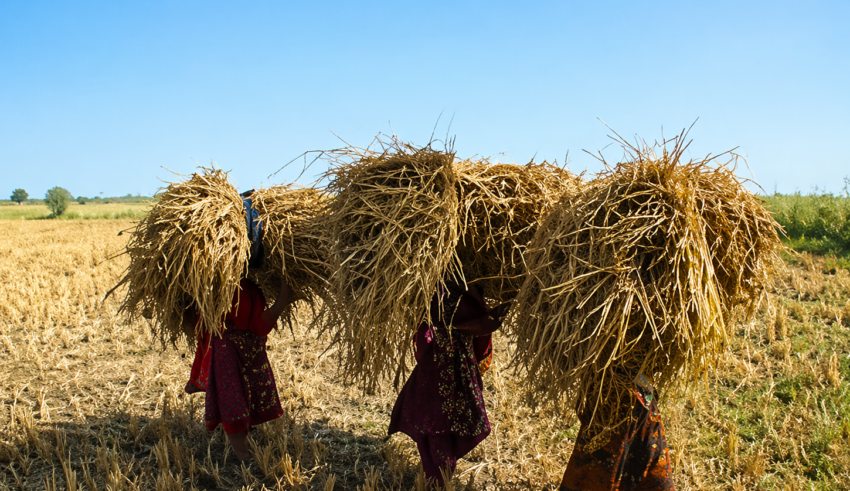
Farmers across Pakistan are increasingly voicing concerns over rising fuel costs and their impact on agricultural production, warning that the situation could threaten food security if not addressed promptly.
With diesel prices climbing steadily, the cost of operating tractors, tube wells, and transport vehicles has surged. For many small and medium-scale farmers, these expenses have become difficult to manage, forcing them to reconsider how much land they can cultivate this season.
Agricultural communities argue that fuel is a critical input at every stage of farming—from land preparation and irrigation to harvesting and distribution. Any sustained increase in fuel prices directly raises the overall cost of food production, which could eventually be passed on to consumers in the form of higher food prices.
Farmers are now questioning whether they can continue to sustain current production levels or if reduced cultivation will lead to lower crop yields. Some have warned that if the situation persists, it may result in shortages of essential crops, creating a risk of food insecurity or even famine-like conditions in vulnerable areas.
Experts highlight that the issue is not limited to farmers alone. Rising production costs could disrupt supply chains, affect market stability, and increase inflation across the economy. They stress the need for targeted subsidies, fuel price relief, or alternative energy solutions to support the agricultural sector.
Government officials have acknowledged the concerns and indicated that discussions are underway to explore possible relief measures. However, farmers are urging swift action, emphasizing that delays could have long-term consequences for both rural livelihoods and national food security.
As the debate continues, the central question remains: can the country balance rising fuel costs while ensuring sustainable agricultural output, or will farmers be forced to scale back production with serious implications for the future?