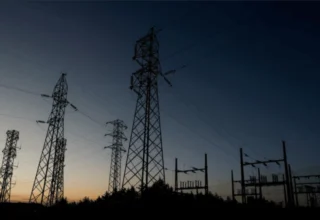
The federal government has formally announced the implementation of approximately 2.25 hours (2 hours and 15 minutes) of daily loadshedding during peak hours across the country. The move is part of the Power Division’s “Peak Relief Strategy” aimed at reducing dependence on expensive imported fuels and preventing a sharp rise in electricity tariffs.
According to an official statement issued by the Power Division on Tuesday, electricity supply will be suspended for about 2.25 hours every day between 5:00 PM and 1:00 AM. This limited load management is intended to control the growing cost of power production amid rising fuel prices and increasing demand during evening hours.
Key Details
Loadshedding Duration: 2 hours and 15 minutes daily
Time Slot: Peak hours from 5:00 PM to 1:00 AM
Objective: To avoid a potential increase of around Rs3 per unit in electricity prices. With this measure, the expected tariff adjustment is likely to be restricted to nearly Rs1.5 per unit.
Main Reasons Cited:
Sharp increase in electricity demand during peak evening hours
Reduced hydel (hydropower) generation due to lower water availability in rivers
Shortage of RLNG supply
Furnace oil prices have nearly doubled in recent months, making it extremely costly for power generation
The Power Division emphasized that while the country has enough generation capacity to meet full demand, continuing without load management would lead to heavy reliance on expensive furnace oil and RLNG, further inflating the cost of electricity.
All Distribution Companies (DISCOs) have been instructed to prepare detailed feeder-wise schedules and inform consumers in advance about the exact timing of outages in their respective areas.
Background and Context
This decision comes at a time when Pakistan is already facing pressure on its power sector due to global and local fuel constraints. The government had been working on a hybrid approach since March 2026, combining limited loadshedding with energy conservation measures and tariff adjustments.
Although the announcement may offer some protection against a larger bill shock for consumers, it is expected to cause inconvenience for households, students, businesses, and industries — particularly as temperatures begin to rise and electricity demand increases further in the coming weeks.
In many rural areas, especially in Punjab, residents are already complaining of prolonged unscheduled power outages ranging from several hours to as much as 12–16 hours daily.
Expected Impact
Households: Evening routines, study hours, and family activities will be disrupted. Many families are likely to increase reliance on inverters, solar systems, or generators.
Commercial Sector: Markets, shops, and small businesses operating in the evening will face challenges.
Industrial Sector: Production may be affected, leading to higher costs and possible delays.
Potential Benefit: Successful implementation could help contain the circular debt and limit the burden on low- and middle-income consumers by avoiding a bigger tariff hike.
The government has claimed that consumers received around Rs46 billion in relief between July 2025 and February 2026, with some tariff reductions. However, the current fuel price surge has made further relief difficult without additional measures.
Prime Minister Shehbaz Sharif has directed the Power Division to closely monitor the situation and take necessary steps to improve the overall power supply in the near future.