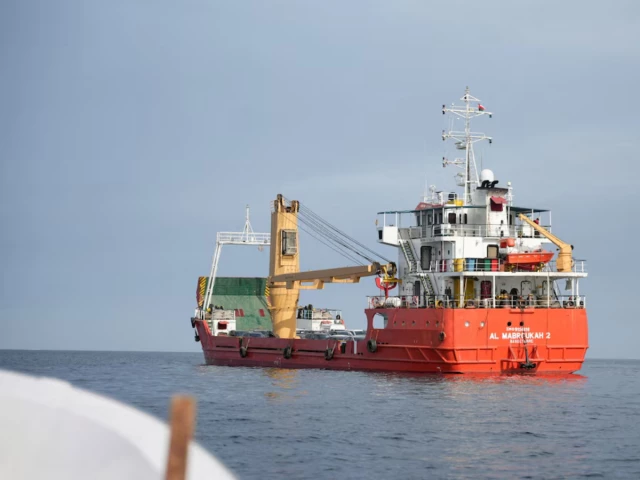
Negotiating teams from the United States and Iran could return to Islamabad as early as the end of this week to resume direct talks aimed at ending the ongoing war, multiple sources have told Reuters and other international media outlets. This development comes even as the US military enforces a naval blockade on Iranian ports and coastal areas, imposed after weekend peace negotiations in Pakistan collapsed without a deal.
The US began blocking shipping traffic in and out of Iranian ports on Monday, April 13, in response to Iran’s effective closure of the Strait of Hormuz since the conflict escalated in late February 2026. President Donald Trump described the Iranian actions as “economic terrorism” and “blackmail,” while warning that any Iranian warships approaching the blockade would face a “quick and brutal” response.
Background of the Stalled Talks
High-stakes face-to-face negotiations took place in Islamabad over the weekend (April 11–12), mediated in part by Pakistan. The US delegation was led by Vice President JD Vance, with involvement from special envoy Steve Witkoff and others. Iranian representatives included senior officials such as Mohammad Bagher Ghalibaf.
The talks, described as marathon sessions lasting over 20 hours, broke down primarily over disagreements on Iran’s nuclear program:
The US pushed for a long-term suspension of uranium enrichment — reportedly demanding up to 20 years — along with the dismantling of key facilities and the handover of highly enriched uranium stockpiles.
Iran countered with a shorter suspension period (around 5 years) and insisted on maintaining its right to peaceful nuclear activities.
Other sticking points included Iran’s support for regional militant groups, demands for sanctions relief, reparations for war damage, and full reopening of the Strait of Hormuz without Iranian-imposed fees or restrictions. Vice President Vance later stated that while “some progress” was made and Iran had “moved in our direction” on certain issues, Tehran did not go far enough on core US demands.
A fragile two-week ceasefire, agreed upon earlier in April, remains in effect but is set to expire around April 21. Both sides have continued indirect communications through intermediaries, including Pakistan.
The US Port Blockade and Its Immediate Effects
On Monday, the US Navy initiated a blockade targeting all ships entering or leaving Iranian ports and coastal areas. This measure aims to increase economic pressure on Tehran by disrupting its oil exports and maritime trade, which have already been strained since the war began.
Strait of Hormuz Context: Iran had largely shut down traffic through this critical chokepoint (which handles roughly 20% of global oil shipments) in response to US and Israeli military actions. The US blockade is described as a countermeasure, though it is not a full closure of the strait itself.
Early Signs: Shipping data shows some vessels, including US-sanctioned tankers linked to China, have continued transiting the strait on the first full day of the blockade, testing enforcement challenges. Iran has labeled the US action as “piracy” and a “grave violation” of sovereignty, threatening retaliation against US naval forces and ports in the Gulf region.
Market Reaction: Oil prices surged above $100 per barrel initially but eased somewhat after President Trump indicated that Iran had reached out wanting “to work a deal very badly.” Brent crude fell back toward $99 in some trading.