Islamabad (April 15, 2026) — Pakistan, along with Türkiye, Egypt, and Saudi Arabia, is quietly advancing efforts to formalize a new quadrilateral framework (often referred to as an “Islamic Quad” or Middle Eastern Quad). This initiative aims to enhance coordination on diplomacy, security, and regional stability as the Gulf conflict and U.S.-Iran tensions escalate.
The development comes at a critical time, with rapid changes in the Middle East prompting these four key Muslim-majority nations to deepen collaboration. While officials have avoided labeling it a formal alliance or military bloc, the increasing frequency of high-level meetings indicates a structured mechanism is taking shape to influence outcomes in a volatile region.
Latest Developments:
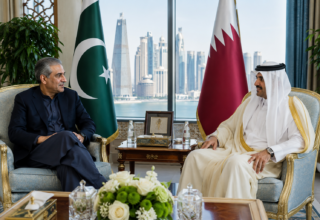
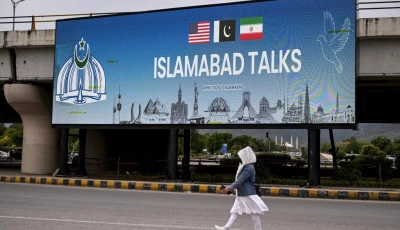
Senior officials from Pakistan, Türkiye, Egypt, and Saudi Arabia met in Islamabad on Tuesday to refine proposals for the framework. These discussions followed earlier foreign ministers’ consultations and will now be presented at the upcoming foreign ministers’ meeting scheduled for April 17 in Antalya, Turkey, on the sidelines of the Antalya Diplomacy Forum.
Deputy Prime Minister Ishaq Dar has actively urged the four nations to establish a cooperative framework focused on peace, prosperity, and stability. Pakistan hosted a quadrilateral meeting of foreign ministers earlier this week (some reports mention Monday), where evolving regional security issues — including the ongoing U.S.-Iran maritime tensions and broader Gulf conflict — were discussed in depth.
Pakistan has also played a notable mediating role, circulating practical ceasefire proposals in early April and briefing Iran on the quad talks. This positions Islamabad as a convening power and potential bridge between conflicting parties.
Background and Drivers:
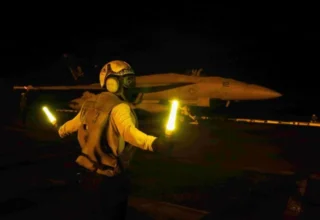
The push for this quad framework has accelerated amid the U.S. blockade of Iranian maritime trade and the fragile ceasefire in the region. Key motivations include:
Regional Stability: Coordinating responses to threats in the Persian Gulf, Strait of Hormuz, and broader Middle East.
Diplomatic Leverage: Creating a platform for these nations to shape de-escalation efforts, protect energy security, and ensure safe passage for global shipping.
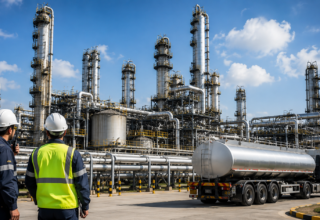
Economic and Security Interests: Shared concerns over disrupted oil flows (with prices surging above $100 per barrel), protection of Gulf infrastructure, and countering spillover effects from the conflict.
This grouping builds on existing bilateral ties, such as Pakistan’s Strategic Mutual Defense Agreement with Saudi Arabia signed in 2025. It reflects a pragmatic alignment driven by overlapping interests rather than ideological unity.
Nuances and Distinctions from Other “Quad” Groupings:
This emerging forum is distinct from the well-known Quadrilateral Security Dialogue (Quad) involving the United States, India, Japan, and Australia, which focuses on the Indo-Pacific and often counters Chinese influence. Pakistan has historically viewed the U.S.-led Quad with caution due to India’s prominent role and potential implications for its own security.
Instead, the Pakistan-Türkiye-Egypt-Saudi framework is more regionally focused on Muslim-majority states and Middle Eastern issues. It has been used to discuss de-escalation in the U.S.-Iran conflict, proposals for reopening maritime routes, and creating mechanisms similar to a “Suez-style consortium” for secure oil flows. Some analysts describe it as a counter-balance or complementary platform in a fragmenting global order.
Economic and Geopolitical Implications:
For Pakistan: This enhances Islamabad’s diplomatic stature as a mediator and diversifies its partnerships beyond traditional allies. It could strengthen defense and economic ties with Gulf states while allowing Pakistan to balance relations with the U.S., China, and Iran.
For the Region: A formalized quad could facilitate quicker consensus on ceasefire frameworks, humanitarian access, and protection of critical sea lanes. However, prolonged tensions risk higher shipping insurance costs, energy price volatility, and challenges for global trade.
Global Ripple Effects: The initiative may draw attention from major powers. China and Russia could view it positively if it promotes stability without Western dominance, while the U.S. might see opportunities for indirect engagement through Pakistan’s mediation role. Edge cases include potential friction if the group’s positions diverge sharply from Western policies or if Iran perceives it as exclusionary.